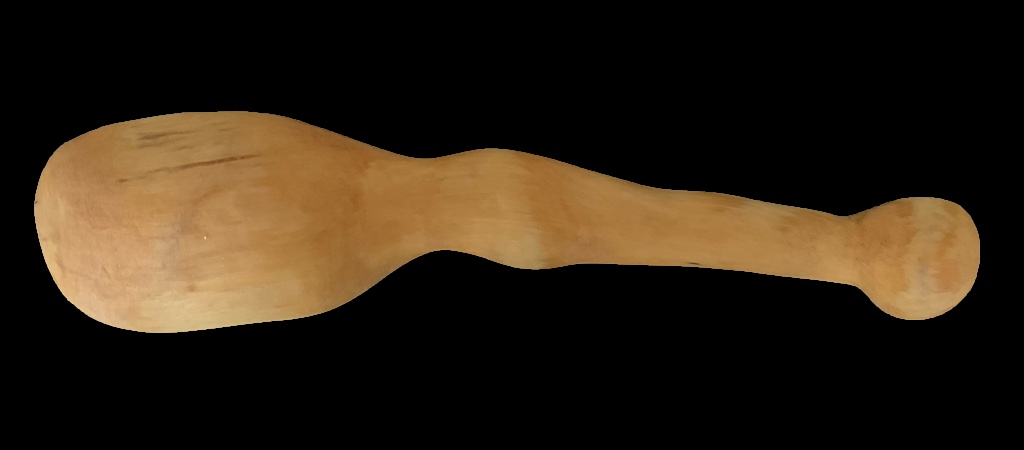
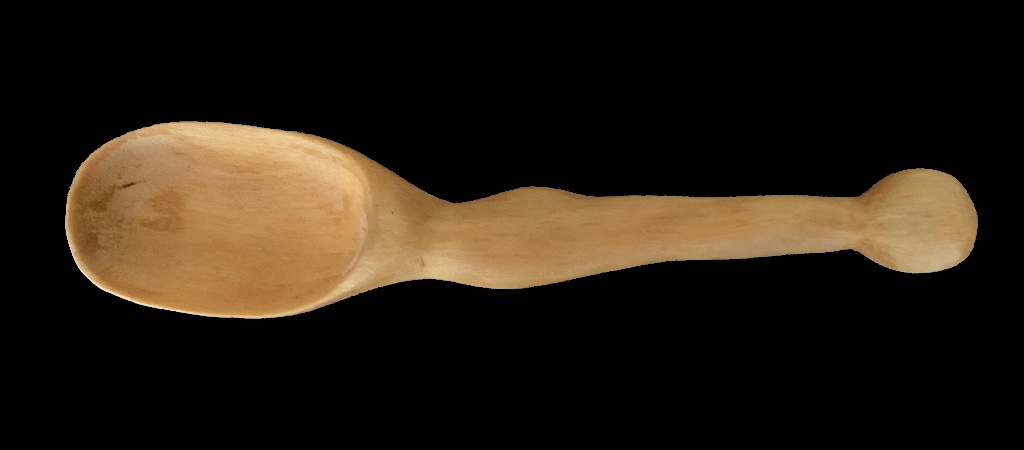
Hand Spoon
This spoon is designed to be easier to hold by having a knuckle to grip. Specifically in the hand.
It is basic, simple, under rather overstated. Hence Hand Spoon, an otherwise superfluous use of the word hand.
As if German words weren't long enough already children make them twice as long. For a very special reason! To keep their secrets safe from adults! To make this secret language they sprinkle a redundant syllables -“lew”- after every syllable they speak. It’s called Spoon Language or Löffelsprache.
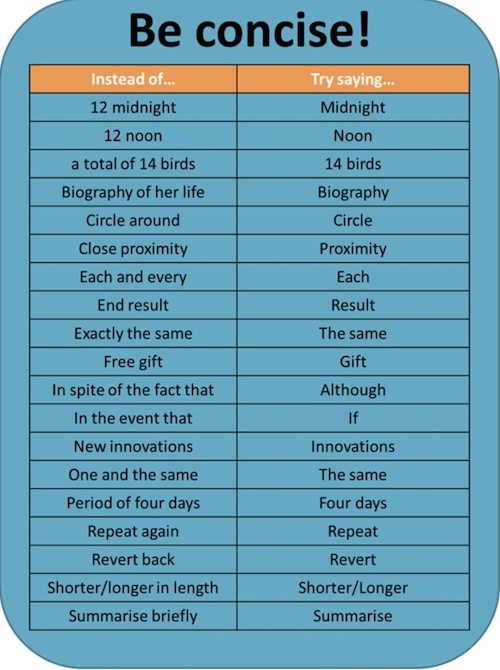
We all use redundant words often, we think, to clarify. Sometimes in order to give our brain time to connect with our mouth in a meaningful way. Sometimes because we like the sound of our own voice. Be succinct! Not tautological. No redundant unnecessary words. Nothing circularly circular.
Can you say more by saying less? Over the years I’ve devised a SLEDGE system for communicating. Five simple rules that I regularly ignore.
1 Speak in chunks of essential information, deliver your message in bullet format.
2 Learn when to shut up - maybe you are not being very interesting!
3 Eliminate filler phrases, like, “As I said before…” and “I just wanted to tell you…” and, of course, tautological words.
4 Don’t over explain. Don’t try to spoon feed by repeating yourself with different words.
5 Get to the point. Don’t interrupt yourself with unimportant minute details. Otherwise other people will interrupt.
I was once asked to help someone become more interesting. She felt that whenever she started a story in an informal gathering, others would break in and talk over her. As a childrens’ entertainer - specifically stand-up comedy for 3-10 year olds - I learnt how to communicate effectively. When to use silence. When to let meaning or humour sink in before swamping it with meaningless repetition. How to overcome interruptions or heckling with gestures and starter words.
My New Year’s resolution is to stop using the past tense so much. Psychologically we harbour regret and hanker after the past when saying “I used to …” with unknowing. And talking about ourselves rather than listening is arrogance.
Maybe it’s an old persons routine, reminiscing endlessly, living in the past, when the present may seem endless and boring. Speak in teaspoonfuls, don’t ladle it! So I must aim to plan and look forward to future things with excitement. And try not to use the past tense - or interrupt!
230mm, ivy